The past year has been challenging for many people, for many different reasons and as a result, our homes have had to work harder than ever before. They are no longer just places we pass through at the beginning and end of the day, they have become spaces that support us, restore us, and help us function better in busy, demanding lives.
Clients are asking for homes that are practical and calming. Spaces that reduce friction rather than add to it. When life already feels full, the last thing anyone needs is a home that creates frustration instead of support.
One of the clearest shifts I’ve seen is a growing fatigue with micro-trends. Interiors have felt increasingly disposable, something new appears, floods social media, and is already “out” six months later. That cycle simply isn’t realistic or desirable. It’s overwhelming! Homes are not content. When I design, my goal is longevity. A space should still feel relevant years from now, not tired because it chased the latest look. No one has the time, or energy, to keep redecorating.
There’s also a deeper understanding that no two families live the same way, so no two homes should look the same. Layouts, storage, flow, and functionality matter more than copying what’s popular. Good design starts with how people actually live.
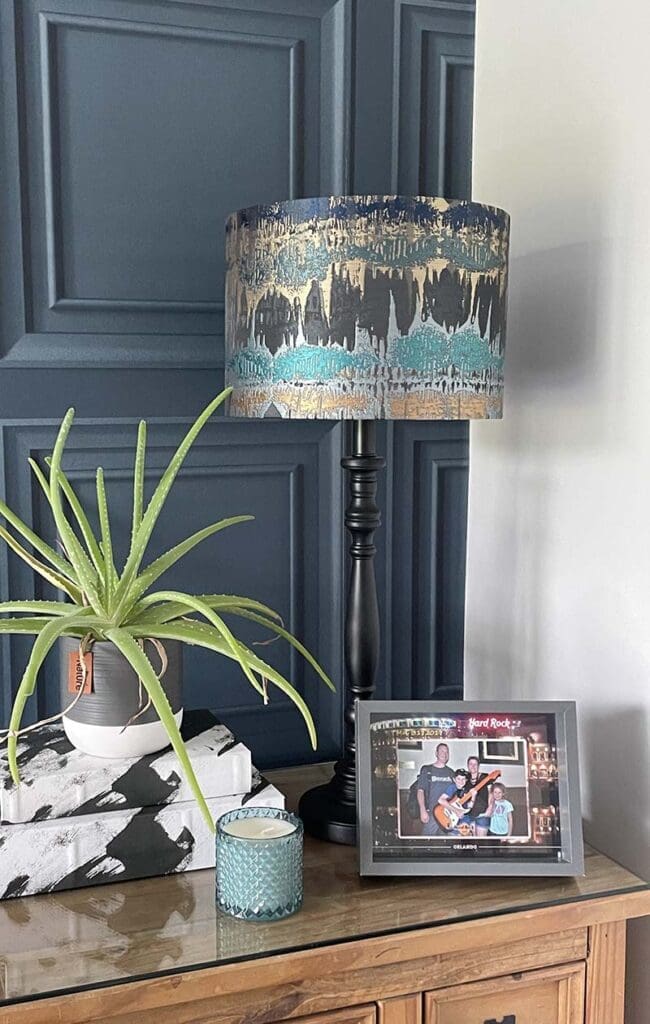
I am pleased to say colour has made a confident return this year. Clients are using it thoughtfully to create warmth, comfort, and personality, spaces that genuinely feel welcoming. And importantly, not everything needs to be new. Existing furniture is being reused, reimagined, and relocated. A piece can feel completely different in another room or refreshed with new finishes. This approach adds character and meaning that can’t be bought off the shelf.
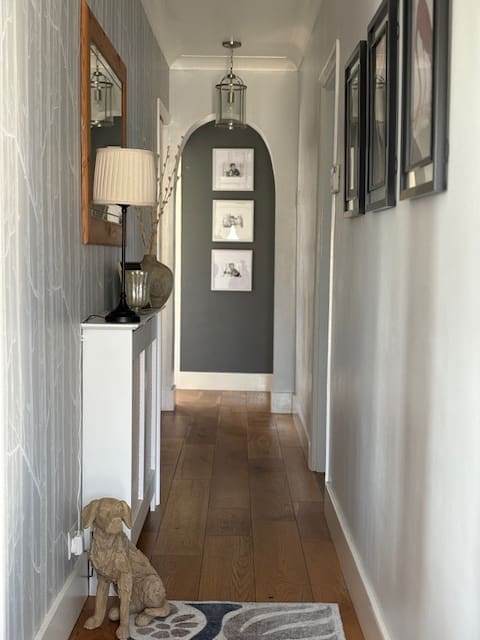
Thankfully, there’s been a noticeable move away from “fast interiors” and towards quality over quantity. Clients are choosing natural materials, craftsmanship, and pieces with longevity. I often think of this as imperfect perfection – the beauty found in texture, patina, and subtle irregularities. These elements bring soul to a space. Mixing old with new creates homes that feel layered, lived-in, and timeless rather than overly styled.
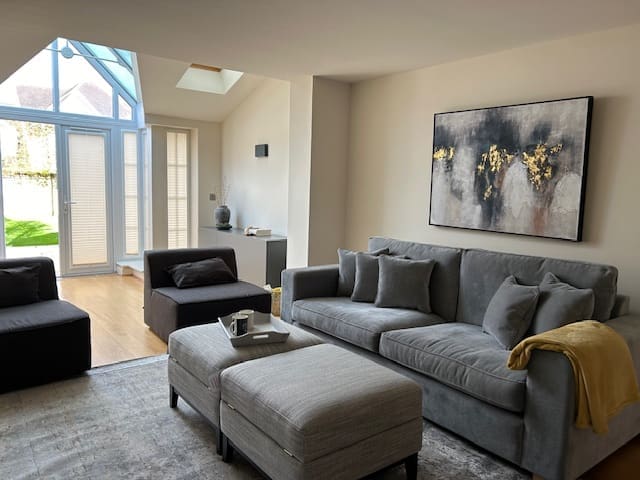
Quiet luxury has also been a consistent theme. Homes no longer need to shout to feel luxurious. The focus is on comfort, restraint, and confidence. Spaces that quietly say, this feels good to live in. Statement pieces still have a place, but they’re balanced by calm, elegant backdrops that don’t compete for attention. Think understated, considered, and intentional.
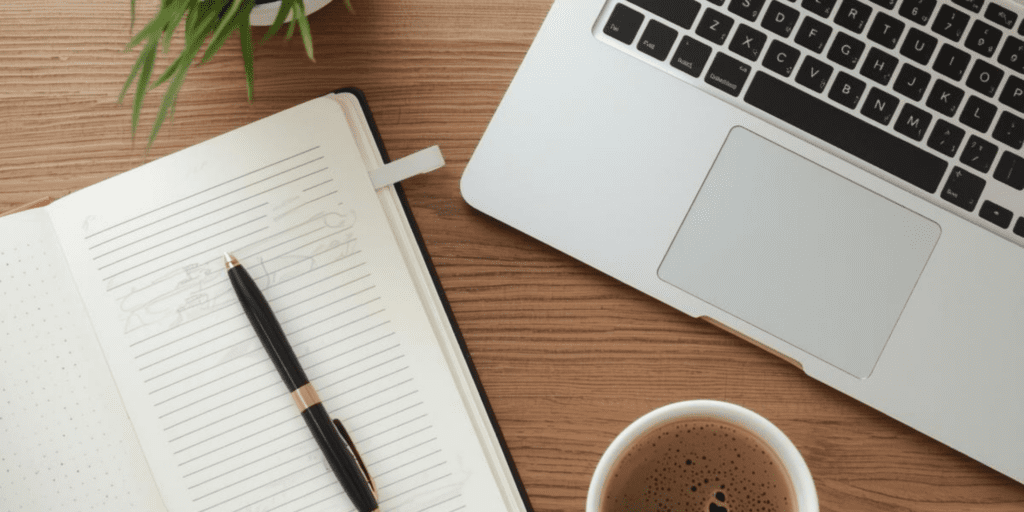
Wellbeing has become a key driver too. Natural light, better flow, calming palettes, and thoughtful zoning, especially with hybrid working now part of everyday life, are shaping how spaces are planned. Design is no longer just about how a home looks, but how it supports mental clarity, rest, and everyday routines.
What I’ve loved most is seeing clients step outside their comfort zones. There is less interest in playing it safe or copying what others have done. Instead, homes are becoming more personal, true extensions of the people who live in them. That confidence makes for far better interiors and, ultimately, homes that feel right.
This year has reinforced something I’ve always believed: good design isn’t about trends. It’s about understanding people, creating spaces that last, and designing homes that quietly support life as it really is. If you’re ready to transform your home into a space that truly reflects and supports your life, my new 2026 Masterclass could be the answer. Join the waitlist today to be the first to know when tickets go on sale, and take the first step toward a home that feels timeless, personal, and effortlessly luxurious.